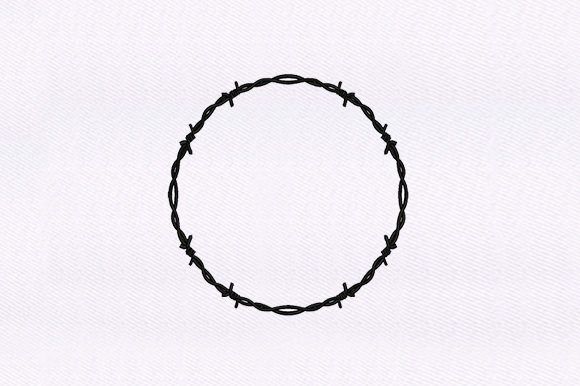
Wire Circle Quilting Design: A Business Owner's Embroidery Review
As an embroidery designer who has worked with hundreds of small businesses, I have learned to spot a design that will serve a brand well versus one that will frustrate production and disappoint customers. When I first looked at the Wire Circle Quilting Design, I immediately saw a piece with serious potential for commercial embroidery and branded merchandise. This design sits in the Military category, and while that might suggest a narrow audience, the circular structure and quilting-inspired lines give it a versatile appeal that can work across many business types. In this review, I will walk through exactly how this embroidery file performs in real business use, where it shines, and where you need to be careful before stitching it onto your products.
First Impressions: Professional, Bold, and Structurally Sound
The Wire Circle Quilting Design gives an immediate impression of structure and reliability. The circular motif with quilting lines suggests a handmade, crafted quality that feels both premium and approachable. For a small business owner, this design reads as professional without being cold. It is not overly decorative or frilly, which means it can anchor a brand identity that wants to communicate durability, trust, and attention to detail. The wire element in the name hints at a slightly industrial or rugged edge, which makes sense for a Military category design. Yet the circle itself is a universal shape that feels complete, balanced, and friendly. When I review a machine embroidery design for business use, I always ask: will this look good on a tote bag, a cap, a uniform, and a patch? The Wire Circle Quilting Design passes that test because its geometry is simple enough to scale well and strong enough to hold its shape on different fabrics.
How This Design Performs in Real Business Scenarios
Let me walk through the specific ways I see this design working for a small business. Imagine a local café that wants aprons for staff, tote bags for customers, and caps for the team. The Wire Circle Quilting Design can serve as a chest logo accent on aprons, a centerpiece on a cap front, or a subtle mark on a tote bag. The quilting detail gives it a handmade feel that fits a café that prides itself on craft and quality. For a boutique or handmade shop, the same design can become a signature patch sewn onto product labels, clothing tags, or reusable shopping bags. A florist or pet brand could use it as a consistent brand mark across packaging accents, staff uniforms, and customer gifts. The circular shape works well on caps because it follows the natural curve of the front panel without distorting. On work shirts, it sits neatly on the chest or sleeve without overwhelming the garment. The design also works as an embroidered patch for events, Etsy merchandise, or promotional items. Because the file comes in formats like DST, PES, JEF, and many others, you can load it into most commercial embroidery machines without compatibility headaches. That alone saves time and frustration in production.
Where the Design Adds Real Business Value
When I review a digital embroidery file for a client, I always consider how it affects brand identity. The Wire Circle Quilting Design contributes to a brand identity that feels grounded, trustworthy, and carefully made. For a small business, that kind of visual consistency is gold. Customers who see a clean, well-stitched embroidered patch on a cap or apron will associate that quality with the products and service inside. The design does not scream for attention, but it holds its own. It adds a layer of professionalism to custom apparel without looking corporate or generic. I also appreciate that the quilting lines add texture and depth, which makes the finished product feel more substantial. When you hand a customer a tote bag with a well-executed embroidered mark, they perceive higher value. That translates into brand recognition and customer loyalty. For Etsy sellers and handmade product creators, this design can become a signature asset that sets your merchandise apart from mass-produced competitors. The circular motif also works well for printable mockups, allowing you to show clients how the design will look before production begins.
Where to Use This Design with Care
No embroidery design is perfect for every situation, and the Wire Circle Quilting Design has limitations you need to respect. First, the circular shape with quilting lines means there is a moderate amount of stitch density. If you try to stitch this design very small, especially as a tiny patch or on a cap front with limited space, the details may become crowded or the fabric may pucker. I recommend testing the design at your intended size before committing to a full production run. For small patch sizes, check whether the inner lines remain visible and crisp. If they blur together, consider enlarging the design or using a simpler thread color strategy. Second, curved surfaces like cap fronts or sleeve caps can distort the circle if the stabilizer is not adequate. Use a firm cutaway stabilizer and a tight hoop to keep the shape round. Third, if you are embroidering on dark uniforms, choose thread colors that contrast well with the fabric. A dark design on a dark shirt will disappear, and the quilting detail will be lost. Fourth, consider the washing demands of the item. For aprons, caps, and tote bags that will be washed frequently, use high-quality thread and a dense enough stitch to prevent fraying. The circular design with continuous lines should hold up well, but test a sample through several wash cycles to confirm. Finally, be mindful of fabric texture. Very thick fabrics like heavy canvas or fleece can push the design out of shape if the stabilizer is not heavy enough. For a handmade product that needs to last, take the extra time to test on the actual fabric you plan to use.
Practical Embroidery Designer Notes for Production
Before you load this machine embroidery design into your machine, here are the steps I always take with a new file. First, I test the Wire Circle Quilting Design in black and white thread on a scrap fabric that matches my final product. This lets me see the stitch density, the shape retention, and any potential issues with thread breaks or jumps. Second, I check whether the design works at a small patch size. If you plan to use it as a mini patch for a product label or a cap accent, reduce the size gradually and inspect each test stitch. Third, I review thread color contrast against the intended fabric. A light thread on a dark background or a metallic thread on a neutral fabric can make the quilting lines pop. Fourth, I inspect the spacing between the circle and the quilting lines. If the design feels too tight, I may adjust the size slightly to give the fabric room to breathe. Fifth, I confirm the hoop size needed. The design should fit comfortably within your hoop without crowding the edges. Sixth, I always test on real fabric before cutting into production material. The same design can behave differently on cotton, polyester, canvas, or fleece. Seventh, I use a proper stabilizer, typically a cutaway for items that will be washed and a tearaway for one-time use items like patches. Eighth, I create a printable mockup for client approval, showing the design on a cap, apron, or tote bag so they can visualize the final look. Ninth, I compare the design beside other assets in the brand identity to ensure visual consistency. Finally, I confirm the commercial licensing terms for the embroidery file before any business use. The file formats included cover a wide range of machines, so compatibility should not be an issue, but always double-check that your specific machine reads the format you plan to use.
Final Verdict for Small Business Use
The Wire Circle Quilting Design is a strong choice for small business owners who want to add a professional, handmade touch to their merchandise. It works well for embroidered patches, custom apparel, caps, tote bags, aprons, and product labels. The design communicates reliability, craft, and attention to detail without being flashy. As with any machine embroidery design, the key to success lies in testing, proper stabilizer, and careful size selection. This design sits in the Military category, which suggests a structured, no-nonsense aesthetic, but its circular quilting motif makes it accessible to a wide range of brands, from cafés to boutiques to pet brands. If you are an Etsy seller, a handmade product creator, or a small business owner looking to elevate your merchandise, this embroidery file deserves a serious look. Treat it as a design asset, test it thoroughly, and it will reward you with a finished product that builds trust and recognition with every customer who wears or carries it.