Seafood Alligator Design: A Seasonal Embroidery Review
As an embroidery designer who has spent years building seasonal collections for Etsy shops, craft fairs, and small apparel businesses, I have learned to spot a design that can carry a holiday lineup. When I first examined the Seafood Alligator Design, I saw a machine embroidery design with surprising versatility for seasonal product use. It is playful without being juvenile, detailed without being fragile, and it carries a coastal, rustic charm that fits multiple holiday and celebration themes. Whether you are a handmade gift maker or a shop owner planning limited edition drops, this embroidery file deserves a serious look.
First Impressions: Seasonal Mood and Emotional Tone
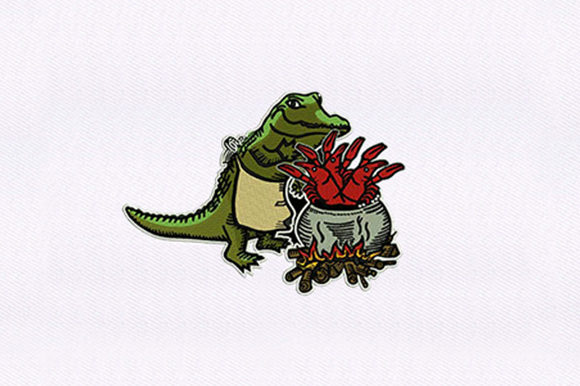
The Seafood Alligator Design strikes me as a hybrid of whimsy and nostalgia. The alligator motif, combined with a seafood theme, evokes summer cookouts, coastal vacations, and family gatherings. It feels festive and rustic, with a touch of playful elegance. For seasonal embroidery, this design brings a relaxed, welcoming energy that works well for summer holidays, beach-themed celebrations, and even casual Thanksgiving or New Year gatherings where seafood is part of the tradition. The emotional tone is warm, inviting, and slightly humorous, which makes it easy to market as a handmade gift or personalized gift for friends and family who love coastal living. The decorative style leans toward modern rustic, with enough detail to feel premium but not so much that it overwhelms small hoops or begins to lose stitch definition on textured fabrics.
How Seafood Alligator Design Performs in Holiday Selling Situations
The real test of any embroidery file is how it performs across the seasonal selling cycle. I have reviewed hundreds of designs for holiday product creators, and the Seafood Alligator Design holds up well in several key scenarios. For Etsy listings, the design photographs beautifully on sweatshirt embroidery and tote bag design mockups. Its clear outlines and moderate stitch density allow for crisp digital previews, which is essential for converting browsers into buyers during the holiday shopping rush. When I build a seasonal collection, I look for designs that can appear on multiple product types without losing their appeal. This design works on kitchen towel embroidery, pillow cover projects, embroidered patches, and even baby items if you scale it appropriately. The embroidery file formats available, including 10O, ART, CND, DSB, DST, DSZ, EXP, HUS, JEF, PCS, PEC, PES, TAP, VIP, VP3, and XXX, ensure compatibility across most commercial embroidery machines, which is a major plus for small business owners who serve a range of customers.
Gift Bundles and Family Matching Items
Seasonal shoppers love gift bundles. I can see the Seafood Alligator Design on a set of kitchen towels paired with an apron, or on matching sweatshirts for a family beach vacation. The design has a broad enough appeal that it works for adults and children, which makes it ideal for family matching items. When you build a collection around a single embroidery file, you reduce your sampling costs and streamline your production. This design allows you to create multiple product variations without changing the core motif. For craft fair displays, it catches the eye because it is unexpected. Alligator designs are less common than florals or monograms, so it stands out among seasonal offerings. That visual recognition is valuable during holiday markets where shoppers are scanning tables quickly.
Home Decor and Limited Edition Product Drops
Home decor is a strong category for seasonal embroidery, and the Seafood Alligator Design fits pillow cover projects and table linens well. I would recommend testing it on a linen blend or cotton duck fabric to see how the stitch definition holds up. The design also translates nicely to an embroidered patch that can be sewn onto canvas totes, denim jackets, or even used as a standalone ornament. For limited edition drops, this design gives you a reason to create a coastal-themed holiday collection. You can pair it with complementary motifs like starfish, shells, or simple text phrases. The key is to keep the color palette cohesive. I suggest testing thread colors on both light and dark fabric before committing to a full production run. The design may read differently on a white towel versus a navy sweatshirt, and you want to ensure the alligator detail remains visible and appealing.
Where to Use Seafood Alligator Design Carefully
No embroidery design is perfect for every surface, and I always advise caution in certain applications. For the Seafood Alligator Design, I recommend careful testing in the following scenarios. First, small hoop sizes can be a challenge if the design includes fine details like scales or claws. If you plan to stitch this on a baby onesie or a small ornament, confirm the hoop size requirements and check the stitch density. If the design is too dense for a small hoop, it may cause fabric puckering or thread breakage. Second, be mindful of tiny lettering if you add custom text. The design itself is the hero, so avoid overcrowding it with small fonts that could become illegible after washing. Third, thick towels and textured fabrics can absorb stitches and reduce clarity. Use a cutaway stabilizer for towels and a tearaway stabilizer for smoother fabrics. Fourth, dark fabric may require a white or light underlay to keep the thread colors vibrant. I always recommend stitching a test sample on the actual fabric you plan to use, especially for stretchy garments like sweatshirts or curved caps. The design may need slight adjustments to prevent distortion on knits.
Stabilizer and Thread Considerations
From a technical standpoint, the Seafood Alligator Design appears to have moderate stitch density, which is a good sign. Designs that are too dense can cause fabric distortion, while designs that are too sparse may look unfinished. For this embroidery file, I recommend using a medium-weight cutaway stabilizer for most applications. If you are stitching on kitchen towels or aprons, a tearaway stabilizer may be sufficient, but always test first. Metallic thread can add a festive touch for holiday embroidery, but it may require a slower stitch speed and a larger needle. I would stick with standard polyester or rayon thread for the main design and reserve metallic accents for small details if the file allows. Remember to check the actual stitch count and file format details before purchasing, as these specifications are not provided in the product listing. The embroidery file formats listed include 10O, ART, CND, DSB, DST, DSZ, EXP, HUS, JEF, PCS, PEC, PES, TAP, VIP, VP3, and XXX, which cover most major machines, but always confirm compatibility with your specific model.
Seasonal Appeal, Buyer Emotion, and Product Value
The Seafood Alligator Design taps into a specific seasonal emotion: the joy of coastal living and shared meals. For holiday shoppers, that emotion translates into giftability. A kitchen towel or tote bag featuring this design feels like a thoughtful, personalized gift rather than a generic item. The design also carries a sense of humor, which makes it memorable. When a customer sees this design on a social media preview or a printable mockup, they are more likely to engage because it is different from the usual holiday motifs. For Etsy sellers and small business owners, this design can help build brand consistency if you use it across multiple product categories. A customer who buys a sweatshirt with this embroidery may return for a towel or a patch, creating repeat business. The product value increases because the design feels exclusive and handmade. Shoppers are willing to pay more for a finished product that looks curated rather than mass-produced.
Visual Recognition and Customer Trust
When I review a design for a seasonal collection, I consider how it will appear in search results and on social media. The Seafood Alligator Design has strong visual recognition because the alligator is a distinctive shape. It is not a generic icon, so it stands out in a sea of holiday embroidery options. That recognition builds customer trust because it signals that the seller has put thought into their product selection. For handmade gift makers, this design can be a signature piece that customers associate with your brand. I have seen similar designs drive engagement on Instagram and Pinterest, especially when paired with lifestyle photography that shows the product in use. The key is to create realistic mockups that show the embroidery on actual garments or home decor items. Do not rely on stock photos. Customers can tell the difference, and authentic imagery builds trust during the holiday shopping season.
Practical Embroidery Designer Notes
Before you add the Seafood Alligator Design to your seasonal product collection, I recommend a thorough testing process. Start by stitching the design on a sample of your intended fabric. Evaluate the stitch density, thread tension, and overall appearance. If you plan to sell finished products, confirm the commercial licensing terms for this embroidery file. The product listing does not include license details, so contact the seller or check their terms before producing items for sale. Next, plan your color palette. The design works well with coastal colors like teal, coral, sand, and navy. For holiday embroidery, you can add a festive twist by using metallic gold or silver for accents. I also suggest checking the hoop size required for the design. If you are working with a small hoop, verify that the design fits without distortion. For larger items like sweatshirts or tote bags, you have more flexibility. Always use a proper stabilizer for the fabric type, and consider adding a backing layer for items that will receive repeated washing, such as kitchen towels or baby items. Finally, create realistic mockups for your Etsy listings or social media previews. A well-staged photo of a finished product can make the difference between a browser and a buyer.
Building a Seasonal Collection Around This Design
If you are planning a limited edition holiday drop, I recommend building a small collection around the Seafood Alligator Design. Start with a hero product, such as a sweatshirt or a tote bag, and then add complementary items like kitchen towels, pillow covers, and embroidered patches. This approach maximizes your production efficiency and gives customers multiple entry points to purchase. For family matching items, you can offer the design on adult sizes, children sizes, and even pet accessories. The design has enough charm to appeal to a broad audience. For home decor, consider a set of table linens or a decorative pillow that brings a coastal feel to holiday gatherings. The key is to keep the color palette consistent across all products so that the collection looks cohesive in your shop. I also recommend designing a simple printable mockup that shows the entire collection together. This helps customers visualize how the products work as a set and encourages bundle purchases.
Final Thoughts on Seafood Alligator Design for Seasonal Use
After reviewing the Seafood Alligator Design, I believe it is a strong candidate for a seasonal embroidery collection. Its playful, nostalgic mood fits multiple holidays and celebrations, especially those centered around food, family, and coastal living. The design performs well on a variety of products, from sweatshirts and tote bags to kitchen towels and pillow covers. It offers good visual recognition, emotional appeal, and giftability, which are essential for holiday sales. As with any embroidery file, testing is critical. Confirm the stitch density, hoop size, and thread colors before production. Use proper stabilizer for your fabric type, and always check the commercial licensing terms if you plan to sell finished products. The Seafood Alligator Design has the potential to become a signature piece in your seasonal lineup, whether you are a small shop owner, an Etsy seller, or a handmade gift maker. It is a versatile, engaging machine embroidery design that can help you create memorable finished products for your customers.