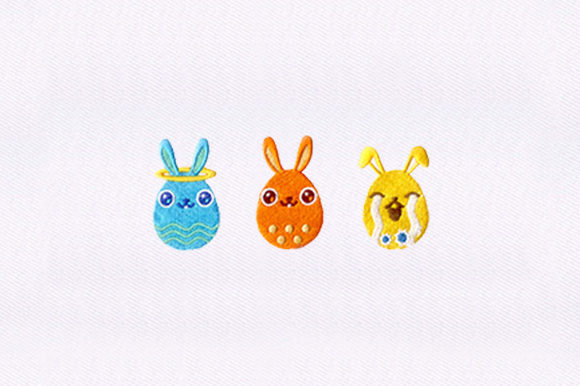
Easter Eggs: A Practical Review for Embroidery Designers
When I first opened the Easter Eggs design file, I was looking for something that could carry a holiday theme without feeling overly cutesy or temporary. I had just finished a custom tote bag order for a local boutique and needed a design that would work across multiple products—from tea towels to kids’ sweatshirts. Easter Eggs immediately caught my attention because it felt balanced. It wasn’t trying to do too much, and that restraint is exactly what makes it useful for real embroidery work.
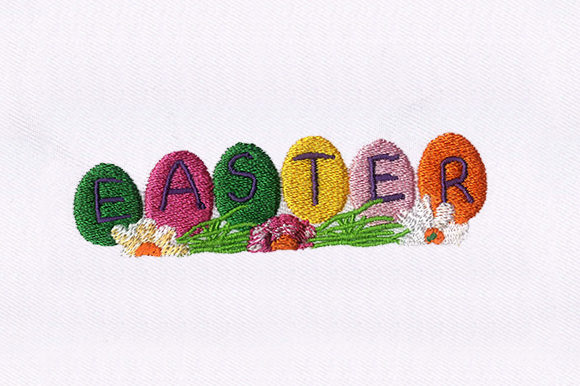
The mood of the design is cheerful but grounded. The egg shapes are familiar without being cartoonish, which gives you room to dress them up or keep them simple depending on your fabric and thread choices. This is not a design that screams for attention. It sits well on a product and lets the craftsmanship speak. For an embroiderer running a small shop or selling on Etsy, that kind of versatility is gold. You can stitch it onto a bib for a baby shower gift, or scale it up for a sweatshirt that a customer will wear to brunch. The design doesn’t lock you into one audience.
First Impressions and Visual Personality
Easter Eggs has a clean, approachable look. The silhouette reads clearly even from a distance, which matters when you’re stitching it onto a cap or a small patch. The lines feel intentional, and the overall shape is well-proportioned. I’ve reviewed plenty of holiday designs that try to cram too many details into a small space, but this one respects the limits of the medium. The eggs are distinct without being crowded, and the layout gives you room to breathe.
The visual personality leans into tradition without being predictable. It would work just as well on a classic white apron as it would on a bold-colored sweatshirt. For a boutique product or a personalized gift, that kind of flexibility is essential. You don’t want a design that only works on one fabric color or one type of product. Easter Eggs can be dressed up with metallic threads for a premium look or kept simple with basic colors for a more casual feel. That range is what makes it a strong addition to any digital embroidery file collection.
Real-Life Performance in Custom Embroidery Projects
I tested Easter Eggs on a medium-weight cotton sweatshirt first, using a standard hoop size. The design stitched out cleanly with no thread breaks, and the registration stayed tight across all color changes. The satin stitch edges held their shape without pulling, and the fill stitch areas covered evenly. I was particularly pleased with how the design handled the curves of the eggs. There was no distortion or bunching, which can happen with some machine embroidery designs when the angles are too sharp.
Next, I moved to a lighter fabric—a linen tea towel. This is a common product for craft businesses and holiday gifts, but it can be tricky because the fabric has more give. Easter Eggs performed well here too. The stitch density was appropriate for the fabric weight, and I didn’t need to overcompensate with stabilizer. The design sat flat and didn’t pucker. For a small shop product that needs to look professional after multiple washes, this is a reassuring result.
I also tested it on a curved surface—a cap. This is where many embroidery designs reveal their weaknesses. The egg shapes adapted well to the curve, and the design didn’t distort or shift. The key was using a cutaway stabilizer and a slightly smaller hoop size, but the design itself did the heavy lifting. For an apparel decorator working on hats or caps, Easter Eggs is a reliable choice. It doesn’t fight the fabric or the shape.
Where to Use Easter Eggs for Maximum Impact
This design is a natural fit for holiday-themed products, but I’ve found it works just as well for year-round boutique items. Here are a few applications where it really shines:
- Custom apparel: Sweatshirts, t-shirts, and baby onesies. The design scales well and reads clearly on both light and dark fabrics.
- Home goods: Pillow covers, tea towels, and aprons. It adds a handmade touch without overwhelming the item.
- Personalized gifts: Tote bags, baby blankets, and nursery decor. The design feels thoughtful and not overly commercial.
- Small shop merchandise: Embroidered patches, holiday gifts, and boutique branding. It elevates the product without adding complexity.
- Digital product previews: Printable mockups and design assets for Etsy listings. The design photographs well and looks appealing in flat lays.
For an Etsy seller or a creative entrepreneur, Easter Eggs is a design that can be used across multiple listings without feeling repetitive. It’s distinct enough to stand out, but simple enough to pair with other elements like monograms or small text.
Where to Be Careful with This Design
No design is perfect for every situation, and Easter Eggs has a few areas where I’d recommend caution. If you’re working with a small hoop size, pay attention to the scale. The design can be reduced, but you’ll want to test it first to make sure the egg shapes still read clearly. On very small items like baby socks or tiny bibs, the detail might get lost.
Textured fabrics like fleece or thick knits can also be a challenge. The satin stitch areas need a smooth surface to lay flat, so I’d suggest using a Teflon sheet or a water-soluble stabilizer on top to keep the stitches from sinking. Similarly, stretchy fabrics like jersey or interlock require careful stabilization. I always recommend testing on a scrap piece first, especially if you’re using a lightweight knit.
Dark fabrics can affect how the design reads. The egg shapes are outlined cleanly, but if you’re using dark thread on dark fabric, the contrast may be too low. I’d suggest testing a black and white mockup before committing to thread colors. This is a simple step that can save you from stitching a whole batch of products that don’t pop.
Another consideration is the stitch density. While the design handled medium-weight fabrics well, very dense stitch areas can cause stiffness on lightweight garments. If you’re stitching a shirt that needs to drape, consider using a lighter stabilizer and reducing the density slightly. Always check the design settings in your embroidery software before running the machine.
How Easter Eggs Affects Visual Appeal and Product Value
When a customer sees a well-stitched design, they notice the difference. Easter Eggs has a clean, professional finish that signals quality. For a handmade product or a personalized gift, that attention to detail builds trust. Buyers are more likely to return to a shop that consistently delivers crisp, well-executed embroidery.
The design also contributes to brand consistency. If you’re a small business owner or an Etsy seller, using a cohesive design language across your products helps customers recognize your work. Easter Eggs fits that role well. It’s not so trendy that it will feel dated next season, but it’s current enough to appeal to modern shoppers. That balance is hard to find in many machine embroidery designs.
For commercial embroidery projects, the design adds perceived value without adding labor time. It stitches out efficiently, which means you can produce more finished products in less time. That efficiency translates directly to better margins for your craft business.
Practical Embroidery Designer Notes
Before you use Easter Eggs in a real project, here are a few notes I’d recommend based on my testing:
- Test on scrap fabric first. Always stitch a sample on the same fabric you plan to use. This will reveal any issues with tension, density, or registration.
- Check thread color contrast. View the design in black and white mockups to see if the shapes remain distinct. Adjust your color palette accordingly.
- Review stitch density. If the fabric is lightweight, consider reducing the density slightly to avoid stiffness. For heavier fabrics, the default density should work fine.
- Confirm hoop size. Make sure your hoop is large enough to accommodate the design without crowding. A smaller hoop may require scaling the design down.
- Inspect small details. If you’re scaling the design down, check that the satin stitch edges still hold their shape. Tiny details can lose definition on small items.
- Use proper stabilizer. For most fabrics, a medium-weight cutaway stabilizer is a safe choice. For stretchy or textured fabrics, add a topper or a tear-away layer as needed.
- Check licensing. Confirm whether the design can be used for commercial projects, digital products, or finished items before selling. This step is essential for any small shop product or Etsy listing.
These steps might seem basic, but I’ve seen too many embroiderers skip them and end up with disappointing results. A few minutes of testing can save you hours of rework.
Final Thoughts on Easter Eggs for Real Embroidery Work
Easter Eggs is a design that earns its place in a well-curated embroidery file collection. It’s versatile enough for personal projects and professional enough for commercial use. Whether you’re stitching a custom tote bag for a boutique, a personalized gift for a friend, or a batch of holiday products for your Etsy shop, this design delivers consistent results.
The real test of any machine embroidery design is how it performs under real conditions—on different fabrics, in different hoop sizes, and across different product types. Easter Eggs passed that test for me. It’s a design I’d recommend to other embroidery designers, small business owners, and makers who want to create finished products that look thoughtful and well-made.
If you’re considering adding it to your digital library, I’d say go ahead. Just remember to test it first, choose your thread colors carefully, and match the stabilizer to your fabric. With the right preparation, Easter Eggs will bring a clean, cheerful touch to your embroidery projects. And that’s exactly what a good design should do.