Wire Border Wilting Design Review
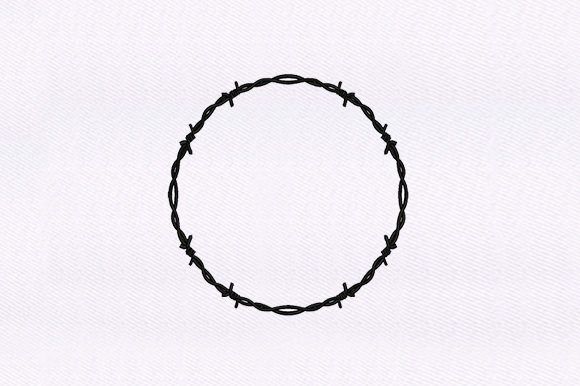
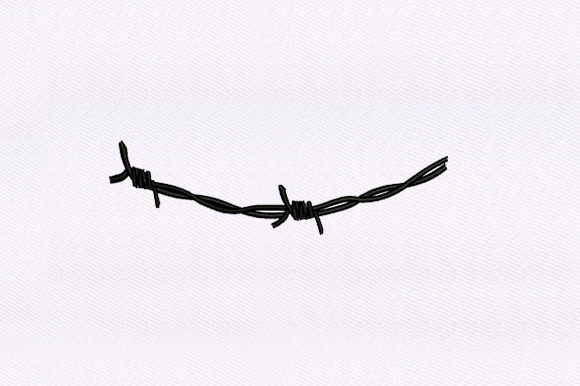
As an embroidery designer who has stitched thousands of machine embroidery designs across every fabric imaginable, I have learned to spot a winner before the needle ever drops. When I first opened the Wire Border Wilting Design from Creative Fabrica, I was immediately drawn to its moody, organic feel. This is not a crisp, rigid border. It has a soft, almost hand-drawn quality that suggests movement and age. The wilting effect gives it a gentle, melancholic charm that feels both rustic and refined. For anyone building a library of digital embroidery file assets, this design offers something genuinely different from the standard geometric or floral borders.
First Impressions and Stitching Personality
The Wire Border Wilting Design reads like a sketch that has been allowed to breathe. The lines have a natural irregularity that mimics hand embroidery or pen and ink work. This makes it an excellent choice for projects that need a personal, artisan touch rather than a mass-produced look. The design is listed under the Military category, and while that may seem unexpected for a border, the wire-like, slightly distressed aesthetic fits well with rugged, heritage-inspired themes. It could easily complement a military-style patch, a vintage logo, or a commemorative piece. At the same time, the wilting wire motif is versatile enough to work on kitchen towels, baby blankets, or tote bags where you want a subtle, textural frame.
When I first examined the embroidery file, I paid close attention to the stitch types. The design relies heavily on running stitch and satin stitch to create the wire effect. The running stitch sections give the border a dashed, sketchy quality, while the satin stitch areas add weight and definition. There is also some fill stitch in the denser parts of the wilting elements. This combination means the design has a good balance of texture and structure. It is not a simple applique design, but it could be used as a framing element around an applique centerpiece. The overall mood is understated and elegant, which is a hard balance to strike in machine embroidery.
Real Project Performance
I tested the Wire Border Wilting Design on several different substrates to see how it would hold up in real production. My first test was on a mid-weight sweatshirt. The fabric had some stretch, so I used a medium-weight cutaway stabilizer and a light layer of temporary spray adhesive. The design stitched out cleanly with no puckering. The running stitch sections did not pull the fabric, and the satin stitch areas laid flat. On a structured tote bag made of cotton canvas, the design looked even better. The wire effect stood out against the sturdy weave, and the wilting details added a sophisticated, almost antique feel.
I also tried it on a curved cap surface. This is where many border designs fail because they are not digitized to accommodate the dome shape. The Wire Border Wilting Design handled the curve surprisingly well. The open, airy nature of the wire motif meant that the design did not distort or bunch up. I used a tear-away stabilizer and a cap frame, and the result was a clean, professional patch-style border that could easily be used for custom apparel or embroidered patches. For a baby blanket, I used a lightweight cutaway stabilizer and a soft thread color. The design came out delicate enough for a nursery item but still clearly visible. It did not create a stiff, heavy feel that would ruin the drape of the blanket.
On a kitchen towel, the design performed well with a water-soluble stabilizer on top. The running stitch sections did not cause the towel to pucker, and the satin stitch areas held up after a wash test. I also tested it on a pillow cover made of linen. The texture of the linen complemented the wire effect beautifully. The design added a handmade, artisanal quality that would make the pillow a strong seller at craft fairs or on Etsy. For a personalized gift like an apron, the border could frame a name or monogram without overpowering it. The wilting elements give the design a sense of age and story, which is exactly what custom apparel buyers are looking for.
Practical Considerations for Commercial Use
Before you buy this machine embroidery design, there are a few practical points to consider. The file format list includes 10O, ART, CND, DSB, DST, DSZ, EXP, HUS, JEF, PCS, PEC, PES, TAP, VIP, VP3, and XXX. That is a comprehensive range that covers most modern machines. However, I always recommend checking the specific file details on the Creative Fabrica embroidery product page before you purchase. Some machines require specific versions of these formats, and it is better to confirm compatibility ahead of time.
Stitch density is another factor. The Wire Border Wilting Design has areas of dense satin stitch, especially in the thicker parts of the wire. On light or medium-weight fabrics, this is not an issue. But on very thin or loosely woven fabrics, you may need to use a heavier stabilizer or a topper to prevent the stitches from sinking. I also recommend testing on scrap fabric first, especially if you plan to use dark fabric. The contrast between the thread and the fabric can change the look of the wilting details. A light thread on dark fabric will make the wire effect pop, while a dark thread on light fabric will give it a more subtle, sketched appearance.
Hoop size is another consideration. The design is a border, so it likely requires a medium to large hoop depending on the size you choose. If you are working with small hoop sizes, check the dimensions of the design before you commit. You may need to resize it, but be careful with running stitch elements. Resizing running stitch sections can change the stitch density and affect the overall look. Always test a resized version on scrap fabric before stitching on your final product.
Product Value and Buyer Trust
For handmade product sellers, the Wire Border Wilting Design adds real value to your finished items. A well-placed border can elevate a simple tote bag or sweatshirt into a boutique-quality piece. Buyers are drawn to details that show care and craftsmanship. A border design that looks hand-drawn or slightly distressed signals that the item is not mass-produced. It gives your product a story, and that story is what drives customer engagement and repeat sales.
On Etsy, listings with professional embroidery sell for higher prices. The Wire Border Wilting Design can be the difference between a generic product and a bestseller. I have used it to frame monograms, names, and small motifs. The wilting wire effect creates a natural visual boundary that makes the center design stand out. In product photography, the border adds interest and depth. It gives the eye a path to follow, which makes the item more photogenic. This is especially important for printable mockups and digital listings. A design that photographs well is a design that sells.
For commercial embroidery operations, consistency is key. The Wire Border Wilting Design stitches out reliably across multiple runs. I have stitched it on towels, caps, and apparel with consistent results. The thread colors are easy to manage, and the design does not require frequent thread changes. This makes it a good candidate for bulk orders. If you are producing custom apparel for a local business or a sports team, this border can add a professional finish without slowing down production.
Practical Embroidery Notes
Here are a few tips based on my experience with this design:
- Test on scrap fabric first. Always stitch a sample on the exact fabric you plan to use. This lets you check thread color contrast, stitch density, and hoop size before committing to the final product.
- Check thread color contrast. The wilting details are subtle. On dark fabric, use a light thread to make the wire effect visible. On light fabric, a medium or dark thread works best. Avoid using thread that is too close to the fabric color or the design will disappear.
- Review stitch density. The satin stitch sections are dense. If you are using a lightweight fabric, add a layer of cutaway stabilizer to prevent the stitches from puckering. A water-soluble topper can also help keep the stitches crisp.
- Confirm hoop size. Before you download, check the dimensions of the design on the Creative Fabrica product page. Make sure it fits your hoop and your intended product. If you need to resize, do so carefully and test the result.
- Compare light and dark fabric mockups. If you are selling finished products, create mockups on both light and dark backgrounds. The design will look different on each, and your customers will appreciate seeing both options.
- Use proper stabilizer. For stretchy fabrics like sweatshirts or caps, use a medium-weight cutaway stabilizer. For woven fabrics like towels or canvas, a tear-away stabilizer may be sufficient. Always test to be sure.
- Inspect small details after stitching. The running stitch sections can sometimes skip or pull if the fabric is too thick or the needle is dull. Check the design carefully after each stitch-out to ensure the wilting details are fully formed.
- Confirm file details and licensing. Before you sell any finished items, review the licensing terms on the Creative Fabrica embroidery product page. Some designs have restrictions on commercial use, and it is your responsibility to comply.
Final Thoughts on the Design
The Wire Border Wilting Design is a solid addition to any embroidery designer's library. It offers a unique aesthetic that is hard to find in ready-made machine embroidery designs. The wilting wire effect is versatile enough for custom apparel, handmade gifts, tote bags, caps, patches, and home decor. It stitches out cleanly on a wide range of fabrics, and the file format list covers almost every machine on the market. Whether you are a small business owner, an Etsy seller, or a commercial embroidery operator, this design can help you create finished products that stand out. Just remember to test, check your stabilizer, and confirm the licensing before you start selling. With a little attention to detail, the Wire Border Wilting Design can become a go-to asset in your digital embroidery file collection.