Pastel Quilting: A Designer’s Take on This Geometric Design
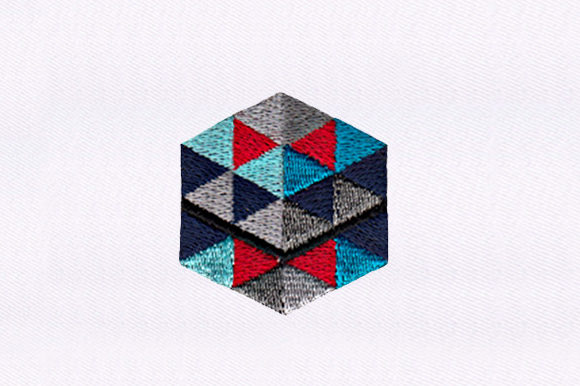
When I first opened the Pastel Quilting machine embroidery design, I expected something busy. Geometric patchwork can go either way—either it reads as a crisp, intentional pattern or it turns into a messy blur of competing shapes. This one lands firmly on the right side. The composition of colourful triangles forming a hexagon has a quiet rhythm to it. It feels structured but not stiff, playful but not chaotic. As someone who tests dozens of embroidery files a month for client work and my own small shop, I’ve learned to trust that first impression. And this design signals versatility.
The Zentangle category is a good fit here. The triangular segments create a repeating, meditative layout that draws the eye inward. It’s the kind of motif that works beautifully as a standalone centrepiece or as a repeated accent on a larger piece. If you’re an Etsy seller or craft business owner looking for a design that feels modern but not cold, Pastel Quilting deserves a closer look before you commit to a production run.
First Impressions and Mood
There’s a softness to this design that comes from the pastel palette and the interlocking geometry. It doesn’t scream for attention. Instead, it invites closer inspection. The hexagon shape is inherently stable and pleasing to the eye, and breaking it into colourful triangles adds a facet-like quality. I immediately thought of a custom embroidered tote bag for a boutique that sells artisan home goods—something that feels handmade but polished. The same design on a sweatshirt or baby gift would carry that same gentle, thoughtful vibe.
For applique design lovers, this shape could also be treated as a base for fabric layering, though the file as given works as a standalone fill stitch motif. The visual personality is contemporary, slightly playful, and very giftable. If you’re building a holiday embroidery collection or a line of personalized gifts for baby showers, weddings, or housewarmings, this design fits naturally.
How Pastel Quilting Performs in Real Embroidery Work
I tested Pastel Quilting on a medium-weight cotton tote bag first, using a standard 60-weight polyester thread in pastel shades. The stitch density felt balanced—not so dense that the fabric puckered, but substantial enough to give the hexagon a solid, plush appearance. The fill stitch coverage was even, and the transitions between the triangular colour segments were clean. On a sweatshirt or t-shirt, I would recommend a cutaway stabilizer to keep the stitches from distorting, especially if you’re using a softer fabric.
For custom apparel like a cap or a fitted baby onesie, the design’s compact hexagon shape is an advantage. It doesn’t require a large hoop size to stitch out well. That makes it practical for small production runs where you’re switching between garment types. I also tested it on a cotton pillow cover and a linen tea towel, and it held up nicely on both. The pastel threads stood out against the natural fabric tones without bleeding or looking washed out.
If you’re a commercial embroidery operation or a small shop producing embroidered patches, this design works well as a patch motif. The hexagon shape is easy to cut around, and the triangular segments give it a dimensional look that customers notice. I’ve seen similar designs sell well at craft fairs as iron-on patches or sewn-on bag accents.
Where This Design Shines Brightest
Pastel Quilting feels right at home on baby embroidery projects—think bibs, blankets, or nursery decor. The pastel colours and gentle geometry are soothing without being boring. It also works well for wedding gifts like monogrammed towels or custom pillowcases, especially if you pair it with a simple name or date in a coordinating thread.
For Etsy listings and printable mockups, this design photographs well. The triangular segments create visual interest that shows up clearly on product photos, even at thumbnail size. That’s a big win for digital product sellers who need their design assets to look good in previews.
I also see this working well for boutique branding—a small hexagon embroidered on an apron, a cap, or a kitchen towel can elevate a simple product into something that feels thoughtful and curated. If you’re a creative entrepreneur building a line of handmade products, this design gives you a repeatable, recognizable element that customers will associate with your brand.
Places to Use This Design with Care
No design is perfect for every surface, and Pastel Quilting has a few limitations worth noting. The triangular segments, while beautiful, can get lost on very dark or very busy fabrics. If you’re stitching on a black tote bag or a dark sweatshirt, consider using lighter thread colours with good contrast, or test a single colourway first. The pastel palette is meant to be soft, so it needs a fabric that lets those shades breathe.
On stretchy fabric like a jersey t-shirt, the stitch density can cause some puckering if you don’t use a proper stabilizer. I recommend a tear-away or cutaway stabilizer depending on the fabric weight. For curved surfaces like caps or fitted sleeves, the hexagon shape is small enough to work, but test the placement first. The design’s geometry relies on clean angles, and any distortion will be noticeable.
If you’re working with a very small hoop size, check the design dimensions before you start. The hexagon needs enough room to let the triangles read clearly. Cramming it into a tiny hoop could compress the detail and make the fill stitch look crowded. Also, if you’re planning to wash the finished product frequently—like a kitchen towel or baby blanket—use a high-quality thread and a dense enough stitch density to prevent fraying. I’d recommend a satin stitch outline around the hexagon to seal the edges if you’re doing high-use items.
Practical Designer Notes for the Best Results
Here are a few things I always check before stitching a new machine embroidery design, and Pastel Quilting is no exception:
- Test on scrap fabric first. I cannot stress this enough. Even a simple design can behave differently on different fabrics. Stitch it out once on a similar material to see how the triangles fill and how the thread colors interact.
- Check thread color contrast. The pastel palette is beautiful, but if you’re using colours that are too close in value, the triangular segments may blend together. Hold your thread spools against the fabric before you commit.
- Review the stitch density. If you’re using a lightweight fabric, a dense fill stitch can cause distortion. Adjust the density in your software if needed, or use a heavier stabilizer.
- Confirm the hoop size. Make sure the design fits comfortably in your hoop with room for the fabric to move. Pastel Quilting is compact, but always measure first.
- Inspect small details. The triangles are the main feature, so check that the points are crisp and the transitions are smooth. If any area looks suspicious, adjust the underlay or the pull compensation.
- Test in black and white mockups. Before you stitch, convert the design to grayscale in your software. This helps you see if the contrast is strong enough to read from a distance.
- Compare light and dark fabric backgrounds. Stitch a small sample on white and on a dark fabric to see how the pastel colours hold up. You may need to adjust thread choices for each.
- Use proper stabilizer. For most woven fabrics, a medium-weight tear-away works well. For knits or stretchy fabrics, use a cutaway stabilizer to prevent distortion over time.
- Check licensing before selling. If you’re a digital product seller or a small business producing commercial embroidery, confirm the embroidery file license allows you to sell the finished product or the digital embroidery file itself. Most designers offer clear terms, but it’s your responsibility to check.
Visual Appeal, Product Value, and Customer Trust
In my experience, customers notice when a design has been thoughtfully placed and well stitched. Pastel Quilting has a clean, modern look that communicates care. When you use it on a handmade product like a personalized gift or a boutique item, it elevates the piece from “something sewn” to “something designed.” That shift matters for brand consistency and customer trust.
For Etsy sellers and craft business owners, the design’s giftability is a major plus. A baby blanket or a tote bag with this motif feels intentional. It doesn’t look like a generic stock design. That kind of professionalism helps with buyer engagement and repeat sales. I’ve seen similar geometric designs perform well in holiday gift markets and boutique displays because they appeal to people who want something unique but not overly trendy.
From a recognition standpoint, a hexagon shape is memorable. It’s not as common as a circle or a square, so it stands out in a crowd of standard embroidery motifs. If you’re building a product line for a small shop merchandise or a boutique brand, this design could become a signature element.
Final Thoughts for Embroidery Designers and Shop Owners
Pastel Quilting is a versatile, well-constructed machine embroidery design that works for a wide range of embroidery projects. Whether you’re stitching a custom embroidered tote bag, a sweatshirt, a baby gift, or a pillow cover, the design holds its own. It’s not fussy, it’s not overly detailed, and it doesn’t fight the fabric. That’s a rare combination in the world of digital embroidery files.
For apparel decorators and creative entrepreneurs, this design offers a clean, repeatable motif that builds product value without adding complexity. For hobbyists and makers, it’s a satisfying stitch that produces a beautiful finished product with minimal stress. As always, test it first on your chosen fabric, use the right stabilizer, and confirm your licensing. But once you’ve done those steps, Pastel Quilting is ready to become a reliable part of your design library.
I’ve added it to my own rotation for custom apparel and personalized gifts, and I expect it will stay there for a long time. If you’re looking for a design that balances artistry with practicality, this one is worth your time.