Cross Free Standing Lace: A Business-Focused Design Review
As a professional embroidery designer who has digitized thousands of files and consulted for dozens of apparel decorators, I understand the delicate balance between artistic beauty and commercial viability. When I first reviewed the Cross Free Standing Lace design, I immediately recognized its potential as a high-impact element for small business merch. However, I also noted the technical demands outlined in its description: it requires some deeper knowledge because it has to be embroidered on a water-soluble stabilizer. This is not a beginner machine embroidery design. It is a sophisticated embroidery file that, when executed correctly, results in a stunning, standalone piece of embroidered art. For the right business—a boutique, a bakery, a creative studio, or a wedding planner—this digital embroidery file represents a significant opportunity to elevate brand identity.
First Impressions: Elegance Meets Technical Demand
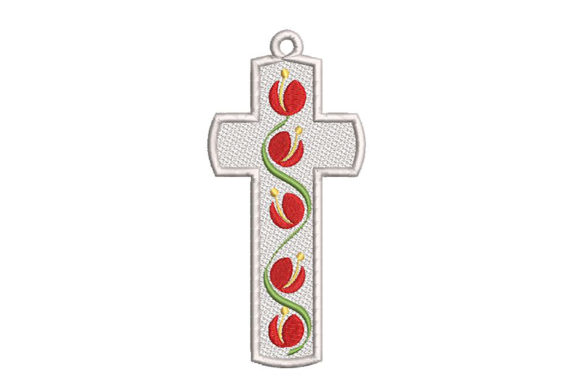
The visual language of a cross is universally recognized. It can convey faith, heritage, healing, or simple geometric balance. In the case of Cross Free Standing Lace, the design leans heavily into the handmade product and premium aesthetic. The free standing lace technique ensures the final piece is airy, detailed, and delicate. My first impression is that it feels both classic and modern. This is not a bulky, heavy patch. It is a refined accent. The fact that colors are a guideline is a fantastic feature, allowing a brand to perfectly match their specific palette. Whether stitched in a crisp white for a wedding boutique or a vibrant green for a local apothecary, its visual personality adapts seamlessly. It communicates that the business values subtlety and craftsmanship over loud, aggressive branding.
Strategic Use in Small Business Merchandise
Where can a small business owner or apparel decorator deploy this design for maximum impact? Let us explore several high-value applications that go beyond simple decoration.
- Embroidered Patches: This is perhaps the most versatile application. An embroidered patch created from this free standing lace design can be attached to aprons, canvas tote bags, and denim jackets. It provides a three-dimensional, textured element that print-on-demand simply cannot replicate.
- Apron Embroidery: For a coffee shop, bakery, or florist, a single free standing lace cross on the chest of a crisp apron adds a touch of artisanal elegance. It instantly communicates a commitment to craft and attention to detail.
- Tote Bag Design: A large-scale version of Cross Free Standing Lace on a high-quality tote bag turns a simple accessory into a statement piece and a walkable advertisement for the brand.
- Custom Apparel: For small runs of custom apparel like boutique blouses or linen shirts, the free standing lace cross can be applied as a delicate centerpiece or a collar accent.
- Product Packaging: Imagine a handmade soap or candle with a small free standing lace cross tied to its wrapping. This elevates the product from a simple commodity to a giftable artisan treasure.
- Event Merch: Perfect for weddings, religious ceremonies, or charity foundations. A guest favor featuring this design is a keepsake, not just a giveaway.
Performance, Durability, and Placement Realities
No design review is complete without an honest discussion of limitations. The Cross Free Standing Lace design requires careful planning to ensure it performs well in a commercial environment.
Stabilizer is Non-Negotiable
As the description states, it requires a water-soluble stabilizer. This is a foundational requirement. Without it, the design simply collapses. For commercial embroidery, this adds a step to the production process, but the result is well worth the effort. You must have a solid supply of quality water-soluble stabilizer on hand before you even test this file.
Stitch Density and Size Matters
Free standing lace designs typically have a high stitch density to create a stable structure. This means the design needs to be a minimum size to hold its shape. It is likely not suitable for very small spaces like a cap front or a tiny logo position. Trying to shrink it too much will result in a stiff, thread-heavy mess. Always check the recommended hoop size and minimum dimensions before purchasing the embroidery file. For cap embroidery, this design is generally better suited for flat-front styles or as a patch applied to the crown rather than a tight curve.
Fabric Texture and Washing Considerations
Because it is a stand-alone lace, the fabric underneath needs to be considered. It works best on smooth, stable fabrics. Rough textures like heavy fleece or thick knits can snag the delicate loops. Furthermore, free standing lace is inherently delicate. While it is durable, it is not as indestructible as a standard satin stitch patch. For items that require frequent, heavy washing like a chef's uniform, it might not be the best choice. It is better suited for front of house staff, retail aprons, and customer-facing merchandise that receives gentler care.
Elevating Brand Identity and Customer Trust
Investing in a high-quality machine embroidery design like this directly impacts brand identity. In a market saturated with cheap, mass-produced goods, an embroidered cross acts as a seal of quality. It tells the customer that this is a handmade product, that someone took the time to create a detailed, beautiful asset. This builds immense trust. For a small business, every interaction is a chance to build loyalty. A beautifully embroidered item is a conversation starter. When a customer asks where you got that apron or compliments that tote bag, the owner has an opportunity to share their story and their commitment to quality. This design becomes part of the brand's design assets, contributing to a cohesive and professional visual identity across all merchandise and staff uniforms. It elevates the entire finished product line.
Practical Embroidery Designer Notes for Production
Before you invest in this file and start production, here are my top recommendations based on years of experience with commercial embroidery.
- Test in Monochrome First: Before using your brand colors, test Cross Free Standing Lace in a single, neutral color like black or white. This allows you to see the structure, stitch density, and overall shape without the distraction of multiple thread colors. It makes troubleshooting much easier.
- Review Thread Color Contrast: The colors are a guideline, which is a powerful feature. Use a thread color that provides strong contrast against the background or the wearer's clothing. If it is a patch, consider the base fabric it will be sewn onto.
- Inspect Stitch Direction: Look at the digitizing. Good free standing lace digitizing will have smooth, flowing stitch directions that create a solid lace structure. Poor digitizing results in a lumpy, distorted design.
- Check Hoop Size: Ensure the design fits comfortably in your available hoop. Trying to hoop a large free standing lace design in a small hoop can lead to tension issues and poor registration.
- Create a Mockup: Always create a printable mockup for client approval. Show the free standing lace design on the actual final product. This sets realistic expectations for size and placement.
- Verify Commercial Licensing: This is crucial. If you are using this embroidery file to create items for sale, ensure the license explicitly covers commercial use. The description says it is available in most formats, implying broad compatibility, but you must check the seller's specific terms.
- Compare with Other Assets: Ensure the scale and style of this cross mesh well with your other branding elements. It should feel like a cohesive part of your family of design assets, not an isolated piece.
Final Verdict for Business Use
The Cross Free Standing Lace is a powerful, versatile, and beautiful piece of machine embroidery. For the experienced embroiderer or small business owner willing to master the water-soluble stabilizer technique, the payoff is substantial. It produces a finished product that stands out in a crowded marketplace. It adds undeniable value to custom apparel, tote bags, and aprons. While it requires careful planning regarding placement, sizing, and washing, the resulting brand identity boost is well worth the investment. This is not just a design; it is a statement of quality and craftsmanship. I confidently recommend it for businesses looking to elevate their embroidered patch and merchandise game.