Pirate Ship Applique Pattern: Craft Fair Booth Review
As an embroidery designer who has prepped countless booths for weekend craft fairs, I know the difference between a design that sits on the table and one that walks out the door. The Pirate Ship Applique Pattern caught my attention immediately because it promises something most machine embroidery designs do not: a bold, story-driven focal point that feels both rugged and playful. Let me walk you through what I see when I review this machine embroidery design for real-world handmade market sales.
First Impressions and Visual Mood
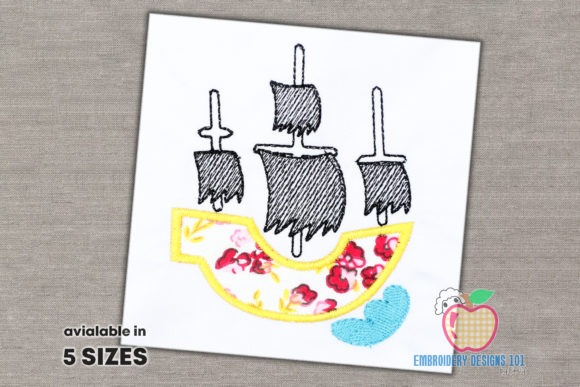
When I first opened the Pirate Ship Applique Pattern, I was struck by its balance of detail and readability. This is not a delicate, farmhouse-style silhouette. It leans into a bold, adventurous, slightly vintage aesthetic that feels right at home on tote bags, aprons, and pillow covers. The design reads clearly from a few feet away, which is critical for a craft fair product where customers scan your booth while walking by. The applique construction gives it texture and depth, making it stand out against flat screen-printed goods. It carries a premium, handcrafted look that supports a higher price point for finished products.
For sellers who specialize in Pirates or nautical themes, this pattern offers a versatile asset that can be used across multiple product categories. It does not feel overly childish or cartoonish, which means it appeals to adults buying gifts for kids, as well as collectors of maritime decor. The embroidery file arrives with multiple formats, so you can load it into your machine and test stitchout quickly. I always recommend running a test on scrap fabric before committing to a full batch.
How the Design Performs on Popular Craft Fair Products
The real test of any machine embroidery design is how it translates across different handmade products. Here is my evaluation of the Pirate Ship Applique Pattern on the most common booth items.
Tote Bags and Market Bags
This is where the design shines. A tote bag design needs to be large enough to be visible from across a booth, and the Pirate Ship Applique Pattern delivers. The applique layers create a raised, tactile surface that customers want to touch. I would pair it with a contrasting fabric for the ship hull and sails, using a cotton or linen tote in natural or navy. The design holds its own as a full-front focal piece. For batch production, the separated color changes make it easy to chain-stitch multiple tote bags without rethreading constantly.
Apron Embroidery
Aprons are a staple for handmade market sellers, and this design fits the chest panel beautifully. The Pirate Ship Applique Pattern adds a playful, professional touch to kitchen aprons, especially for those targeting parents or grandparents shopping for gifts. The applique layers hold up well to washing if you use quality fabric and a proper stabilizer. I would suggest a medium-weight cotton apron in a solid color like cream, denim blue, or olive green.
Tea Towel Embroidery
Tea towels are a low-cost, high-volume item for Etsy sellers and booth vendors. The Pirate Ship Applique Pattern works as a smaller accent on a towel corner, but pay attention to the design's original dimensions. If you resize it too small, the applique shapes may lose definition. For tea towels, I recommend keeping the design at least 4 inches wide. The stitch density of the applique layers is generally forgiving, but the satin stitching around the edges needs enough room to turn corners cleanly. Test on a towel before mass production to ensure the fabric texture does not distort the applique.
Embroidered Patches
Patches are a fantastic way to offer design assets that customers can sew onto their own jackets, backpacks, or hats. The Pirate Ship Applique Pattern translates well into a patch format because the applique layers create a dimensional look that mimics traditional embroidered patches. Use a heavy cutaway stabilizer and a tight satin stitch border. Patches are also great for printable mockup photos on Etsy, allowing you to show the design in multiple contexts without stitching every variation.
Caps and Curved Surfaces
Embroidering on caps is always tricky, and the Pirate Ship Applique Pattern requires careful placement. The design's width may need to be reduced to fit a cap front panel. The applique layers add bulk, so you must use a lightweight fabric for the applique pieces to avoid a stiff, uncomfortable feel. I recommend testing on a curved surface with a cap hoop and a medium-weight stabilizer. If the design contains small details like rigging lines or tiny windows, they may become muddled on a curved cap. Consider using a simplified version or reducing the design only if the original file allows it.
Pillow Covers and Fabric Pouches
These products benefit from the design's narrative quality. A Pirate Ship Applique Pattern on a pillow cover becomes a conversation starter. Customers imagine the story behind the ship, which increases buyer engagement. For small pouches, keep the design proportional to the item. A tiny pouch with a large ship may look crowded. The thread colors in the design should contrast well with the base fabric. I would choose a dark blue or black fabric for the background to make the ship's sails and hull pop.
Practical Selling and Production Points
From a booth perspective, the Pirate Ship Applique Pattern offers strong visual appeal that draws customers in. The design is easy to understand at a glance; it is clearly a ship, and the pirate theme is immediately recognizable. This is important for craft fair products where you have only seconds to capture attention. The design works equally well as a large focal piece or a smaller accent, giving you flexibility in your product lineup.
For digital sellers and small shop owners, the machine embroidery design files are separated by color changes, which simplifies the production process. You can stitch multiple items in a row without stopping to rethread. This is critical for batch production when you are facing a weekend craft fair deadline. The design's stitch density appears moderate, which means it stitches out relatively quickly. I suggest timing a test stitchout to factor into your pricing and production schedule.
When photographing your finished products for Etsy listings or social media, the Pirate Ship Applique Pattern photographs well because of the dimension created by the applique layers. Use natural light and a neutral background to let the design stand out. A printable mockup can help you visualize the design on different products before you commit to stitching them. I always create at least one real mockup for every design I sell, to confirm the colors and proportions look right in person.
Careful Use Notes for Professional Results
No design is perfect out of the box, and the Pirate Ship Applique Pattern has a few areas that require attention. Here are my embroidery designer notes based on similar applique patterns I have tested.
- Dense stitch areas: Check the satin stitching around the applique edges. If the fabric is too thick or the stabilizer too light, the satin stitches may pucker or become uneven. Use a medium-weight cutaway stabilizer for most fabrics.
- Tiny details: If the design includes small windows, rope details, or flags, test at your intended size. These details may lose clarity at smaller hoop sizes. I recommend keeping the design at least 5 inches wide for best results.
- Small lettering: The Pirate Ship Applique Pattern does not appear to include lettering, which is a plus. Small lettering in applique designs often causes registration issues. If you add your own text, keep it at least 0.25 inches tall and use a simple font.
- Thick fabric: On towels, denim, or canvas, the applique layers add bulk. Use a sharp needle (size 90/14 for medium fabrics) and reduce the machine's top tension slightly to prevent skipped stitches.
- Textured towels: Terry cloth or waffle weave towels can distort the applique. Use a water-soluble topping to keep the stitches crisp and prevent the fabric texture from pushing through the design.
- Curved cap surfaces: As mentioned, the design's width may need adjustment. Test on a spare cap first. If the applique fabric puckers, try a lighter weight fabric for the applique pieces.
- Dark fabric: If you stitch on dark fabric, ensure the thread colors contrast well. A dark ship on a dark background will disappear. Light sails on a navy background create a classic, striking look.
- Lost clarity at smaller sizes: Resizing the design below 3 inches may cause the applique shapes to lose their definition. Buyers who want small patches should test a scaled-down version before committing to a batch.
Booth Display and Customer Engagement
When I set up my craft fair product display, I always place items with strong visual designs at eye level. The Pirate Ship Applique Pattern earns a front-row spot. I would display a tote bag and a pillow cover side by side, both featuring the design in different colorways. This shows customers the versatility of the pattern and encourages them to imagine it on their own items.
The pirate theme appeals to creative entrepreneurs who sell at pirate festivals, maritime events, or family-friendly markets. The design also works for commercial embroidery orders if you have the proper licensing. Always confirm commercial licensing before selling finished products using this design. Some digital embroidery files allow unlimited commercial use, while others require a separate license.
Customer engagement is higher when a design tells a story. The Pirate Ship Applique Pattern invites questions: "Is that a real pirate ship?" "Did you design that yourself?" These conversations lead to sales. I recommend having a small sign or tag that explains the design is handmade using applique and machine embroidery, which adds perceived value and justifies a higher price.
Final Recommendations for Embroidery Business Owners
After reviewing the Pirate Ship Applique Pattern, I would add it to my production lineup for the upcoming craft fair season. It offers a strong balance of visual appeal, production efficiency, and customer engagement. The machine embroidery design is suitable for Etsy seller inventories, small shop products, and handmade market booths. I recommend testing the design on your specific machine before committing to a large batch, especially if you plan to use it on caps or textured fabrics.
Before you start production, check the hoop size required for the design at its original dimensions. Confirm the thread colors listed in the file match your inventory. Use a quality stabilizer suitable for applique, and always test on scrap fabric first. Create at least one real mockup of your best-selling product type, whether that is a tote bag design, apron embroidery, or tea towel embroidery. Compare fabric colors to ensure the design pops against the background.
The Pirate Ship Applique Pattern has the potential to become a consistent seller in your craft fair product lineup. Its bold, story-driven design, combined with practical production features like separated color changes, makes it a solid choice for embroidery business owners who want to offer something unique and profitable. Stitch it out, set up your booth, and watch customers stop to look at the ship.