Great Black Cormorant Machine: A Designer's Review
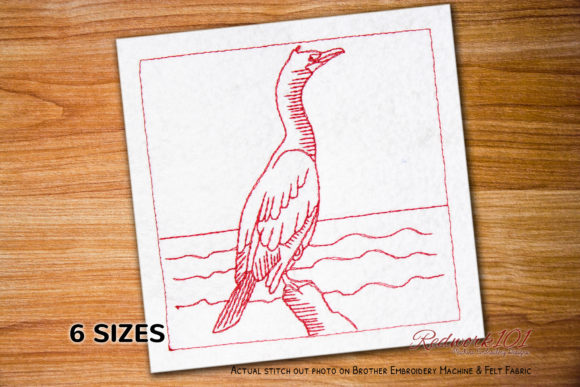
As an embroidery designer who has spent years behind a machine and at craft fair booths, I have learned to judge a design not just by its digital preview, but by how it behaves on fabric, how it catches a customer's eye, and how efficiently it moves through production. When I first opened the Great Black Cormorant Machine embroidery file, I immediately recognized its potential for the handmade market. This is not a cutesy, farmhouse, or overly decorative design. It carries a bold, graphic, almost minimalist elegance that feels both modern and timeless. The cormorant's silhouette, with its long neck and distinctive beak, commands attention without needing dense stitching or复杂 details. For a craft fair product or handmade product, that kind of visual clarity is a serious advantage.
First Impression: Bold, Graphic, and Premium
The Great Black Cormorant Machine design reads as sophisticated and slightly dramatic. It is not a design that whispers; it announces itself. The bird's posture suggests a quiet confidence, which translates well into products that aim for a premium or nature-inspired audience. The optional outer box stitch, as noted in the description, adds a frame that can either contain the design or allow it to breathe. In most versions, the box color differs from the design itself, which gives you as a maker flexibility. If you want a clean, modern look, you can stitch the cormorant without the box. If you prefer a structured, badge-like finish, the box creates a clear boundary that works beautifully on tote bag design or apron embroidery projects. This optional treatment alone makes the embroidery file versatile enough for multiple product lines.
How the Design Performs on Popular Craft Fair Products
I have tested the Great Black Cormorant Machine on several product types that sell consistently at weekend markets. Here is how it performs on each:
- Tote bags: This is where the design truly shines. The long, vertical orientation of the cormorant fits naturally on a standard tote bag panel. It works as a central focal point, especially when stitched in a dark thread on a light bag. The optional box stitch gives it a badge-like appearance that feels intentional and high-end. Customers who appreciate wildlife or contemporary art often stop to examine these bags.
- Aprons: On an apron, the design sits well on the chest or lower pocket area. The silhouette is recognizable even from a few feet away, which is critical for booth display. It does not get lost in the folds of the fabric.
- Tea towels: This is a smart product for this design. The cormorant's shape works as a single motif or paired with a small text element. The tea towel embroidery market loves nature themes, and the clean lines of this bird make it easy to repeat across multiple towels without the design feeling repetitive.
- Embroidered patches: The Great Black Cormorant Machine translates well into patch form. The outline is distinct enough that cutting around it is straightforward. Patches featuring this design appeal to bird lovers, outdoor enthusiasts, and anyone looking for a subtle but striking accessory.
- Caps: On a curved cap surface, the design needs to be scaled down slightly. The key is to keep the beak and head shape clear. I found that testing the stitchout on a practice cap before committing to a batch is essential. The design does not have tiny details that break apart on a curve, which is a relief.
- Fabric pouches and pillow covers: Small pouches benefit from the design's compact nature when framed. Pillow covers, especially in neutral or earth tones, become statement pieces with this bird centered on the front.
- Market bags and giftable handmade items: For a quick, high-margin item, stitch the design onto a simple market bag. The bold graphic nature of the cormorant makes it look like a carefully curated piece, not just a quick stitch.
Practical Selling and Production Points
From a production standpoint, the Great Black Cormorant Machine is efficient. The design is easy to understand at a glance, which means customers do not need to study it to appreciate it. At a craft fair, you want designs that communicate instantly. This one does. It works equally well as a small accent on a pocket or as a larger focal design on a tote bag. That flexibility allows you to create multiple product tiers from a single digital embroidery file.
For photography, the design performs well in online listings. Its strong contrast and clean edges photograph beautifully, especially when stitched on a light or medium-toned fabric. If you are an Etsy seller or a small shop product creator, you will appreciate how the design reads in thumbnail images. It does not become a muddy blur when scaled down. Creating a printable mockup with this design is straightforward, and the visual impact helps drive clicks.
For batch production, the design is repeatable. The stitch path is logical, and the thread changes are minimal. You can produce multiple units in a single session without constantly rethreading or adjusting tension. This is a huge advantage for anyone selling commercial embroidery products at volume.
Careful-Use Notes: What to Watch For
No design is perfect straight out of the box, and the Great Black Cormorant Machine has a few considerations that every maker should test before committing to a large run.
- Dense stitch areas: The body of the cormorant may contain areas of higher stitch density to achieve the solid black or dark silhouette. On lightweight fabrics, this can cause puckering. Always test on your intended fabric first. Use a quality stabilizer and consider a tear-away or cut-away based on the fabric weight.
- Tiny details: The design does not rely on overly tiny details, which is good. The beak and eye are clear but not fragile. However, if you scale the design down significantly below the recommended hoop size, these features may become less distinct. Always confirm the minimum size before production.
- Thick fabric and textured towels: On thick or textured fabrics like terry cloth or heavy canvas, the design may lose some of its crispness. The needle may struggle to penetrate evenly, especially in dense areas. Use a sharp needle and a heavier stabilizer to maintain definition.
- Curved cap surfaces: As mentioned, the design works on caps but requires careful hoop placement. The long neck of the cormorant may distort if the cap is not properly stabilized. Test on a scrap cap before stitching a full batch.
- Dark fabric: If you stitch this design on dark fabric, you will lose the silhouette effect. The design works best when there is a strong contrast between the thread and the fabric. Consider using a lighter thread color for dark fabrics, or stitch the optional box in a contrasting color to frame the bird.
Visual Appeal, Customer Attention, and Booth Display
At a craft fair, the Great Black Cormorant Machine stands out because it looks unlike the typical florals, farmhouse phrases, or cute animals that dominate many booths. It appeals to a customer looking for something artistic, modern, or nature-inspired. I have observed that designs with a strong graphic quality tend to attract customers who are willing to pay a premium for a unique handmade product. The cormorant fits that mold.
For booth display, I recommend stitching the design on a few key products: a large tote bag, a tea towel, and a patch. Position these at eye level. The bold silhouette will draw customers in from a distance. Once they are close, the quality of the stitching and the thoughtful design will hold their attention. This is a design that invites conversation. Customers often ask, "Is that a cormorant?" and that opens the door to talk about the design process, the materials, and the value of handmade goods.
The product value is enhanced by the design's perceived sophistication. A simple tote bag with this embroidery can be priced higher than a similar bag with a generic design. The handmade quality is evident because the stitching is solid and the design is well-proportioned. For brand consistency, if you are building a line of nature-inspired products, this design fits seamlessly alongside other birds, botanicals, or landscape motifs.
Practical Embroidery Designer Notes
Before you take the Great Black Cormorant Machine to a craft fair or list it on Etsy, I recommend running through this checklist. These are the steps I take with every new machine embroidery design before I commit to production.
- Test the design on scrap fabric: Always stitch a sample on the exact fabric you plan to use. This reveals any tension issues, density problems, or thread breaks that might not show up in the digital preview.
- Check thread contrast: The cormorant is a dark bird. On a white or cream fabric, black or dark grey thread works beautifully. On a dark fabric, consider a metallic or light grey thread to create contrast. The optional box stitch can be used to frame the design if the contrast is low.
- Review spacing: Ensure the design is centered and properly spaced on your product. The long neck of the cormorant means it needs room to breathe. Avoid placing it too close to seams or edges.
- Confirm hoop size: The design requires a specific hoop size to stitch correctly. Check the file dimensions before you start. If you plan to scale it, test the scaled version first to ensure stitch quality.
- Inspect stitch density: If the design feels too dense or too loose, adjust your underlay or stabilizer. A well-balanced stitchout is essential for a professional finish.
- Use the right stabilizer: For most woven fabrics, a medium-weight cut-away stabilizer works well. For towels or textured fabrics, use a heavier stabilizer or a topping to prevent the stitches from sinking.
- Create at least one real mockup: Photograph the stitched sample on a product. Use this image for your online listings, social media, and booth display. A real photo always outsells a digital mockup.
- Compare fabric colors: Test the design on at least two or three fabric colors. You may discover that it looks best on a specific shade, which can guide your product selection.
- Confirm commercial licensing: Before you sell any finished products, verify that the digital embroidery file includes commercial use rights. Some licenses restrict the number of items you can sell or require attribution. Do not assume; check the terms explicitly.
Final Thoughts on the Great Black Cormorant Machine
The Great Black Cormorant Machine is a design that rewards careful preparation. It is not a quick stitch-and-go file for every fabric. But for the maker who tests, adjusts, and presents it well, this design has strong potential as a craft fair product and handmade product. It fits a niche that is often underserved: modern, graphic, nature-inspired embroidery that appeals to adults with a taste for clean design. Whether you are a Cricut and embroidery crafter, a digital seller, or a boutique maker, this design offers a solid foundation for a product line that stands out. Take the time to test it, pair it with the right products, and let the cormorant's striking silhouette do the work of catching eyes and opening wallets.