Christmas Candy Design: A Designer's Honest Review
When I first opened the Christmas Candy Design file, I was looking for something that could pull double duty behind my hoop this holiday season. I run a small custom apparel shop out of my home studio, and every November the orders start stacking up. Personalized gifts, family matching sets, boutique market pieces, and last-minute Etsy listings. I need designs that stitch clean, scale well, and actually look like something a customer would want to wear or gift. The Christmas Candy Design caught my eye because it promised a classic holiday theme without being too literal or childish. After stitching it out on several test runs and building a few finished products around it, I have a clear picture of what this design can do and where it needs a little attention.
First Impressions and the Mood It Creates
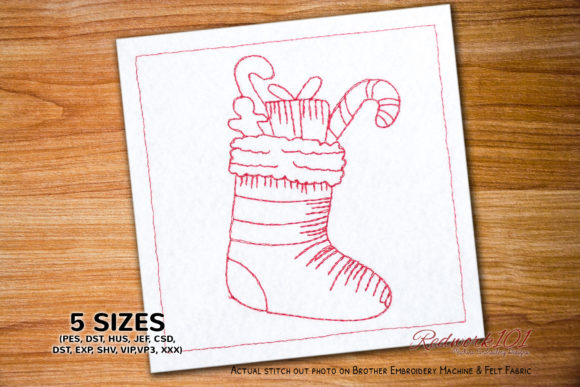
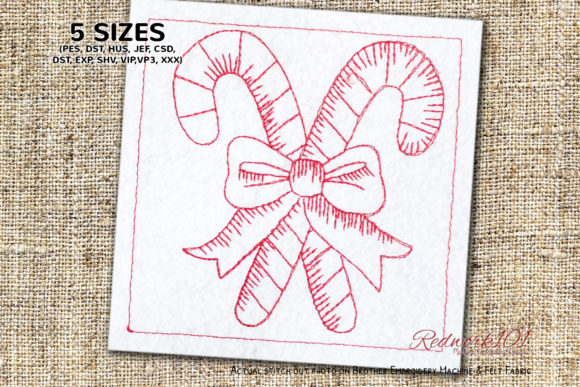
The Christmas Candy Design has a playful but polished feel. It leans into the candy motif without going over the top. The shape is readable at a glance, which matters when you are stitching a sweatshirt that will hang on a rack at a holiday market or sit in a product photo on an Etsy listing. The layout is balanced without feeling crowded. The optional box stitch around the outer edge gives it a framed, finished look, but I appreciate that the description mentions you can skip that color directly if it does not fit your project. That kind of flexibility is rare in machine embroidery design files, and it tells me the designer thought about real use cases.
What I like about the mood is that it works for both kids and adults. A candy theme can easily tip into juvenile territory, but this design keeps enough restraint that I could stitch it on a tote bag for a grandmother or a cap for a teenager. The visual personality is cheerful but not loud. That makes it a strong candidate for personalized gifts where the recipient might have different tastes.
Real Case Scenario: A Custom Tote Bag for a Holiday Market
I decided to test the Christmas Candy Design on a cotton tote bag first. Tote bags are my bread and butter during the holiday season. They are affordable, they sell fast, and they let customers carry their purchases around the market. For this test, I wanted to see how the design handled a medium-weight fabric with a bit of texture. I used a medium cutaway stabilizer and hooped the bag carefully to avoid shifting.
The design stitched out cleanly. The fill stitch areas laid down smoothly without puckering, and the satin stitch elements had a nice sheen that caught the light. The optional box stitch was listed as a different color in most versions, so I decided to leave it out for this run. The design still looked complete without it. That is a huge plus for a small business owner who needs to streamline production. If a customer wants a simpler version or if you are stitching on a dark fabric where the box might not contrast well, skipping it is a legitimate option. The Christmas Candy Design does not fall apart visually when you remove that element.
I stitched the same design on a cream-colored sweatshirt two days later. On the fleece fabric, the design sat nicely without sinking into the nap. The stitch density felt appropriate, not too heavy and not too sparse. The design held its shape even after I washed the sweatshirt on a gentle cycle. That is the kind of real-world reliability that matters when you are selling finished products to customers who expect durability.
Where the Design Shines and Where to Be Careful
The Christmas Candy Design works beautifully on custom apparel like sweatshirts, t-shirts, and tote bags. It also performs well on baby clothes, pillow covers, tea towels, and aprons. The candy theme naturally fits holiday gifts, but I could see it working for a birthday or a winter-themed wedding favor if the color palette is adjusted. The design is versatile enough that you are not locked into a single use case.
That said, there are a few situations where you need to be careful. Small hoop sizes can be tricky if the design has a lot of detail. I recommend testing the scaling on your machine before committing to a tiny hoop. If you shrink the design too much, the candy shapes may lose their definition. Similarly, textured fabrics like thick fleece or heavy knit can hide some of the finer stitching. I always test on a swatch of the actual fabric before I stitch a final product.
Stretchy fabrics like jersey or lightweight knits require extra attention. I used a temporary spray adhesive and a tearaway stabilizer on a cotton t-shirt, and the design stayed crisp. But if you are working with a very thin or stretchy material, you may need a more aggressive stabilizer to prevent distortion. The Christmas Candy Design has enough density that it can pull on a loose weave if you are not careful.
Dark fabric is another consideration. The design uses multiple thread colors, and if you are stitching on a dark background, some of the lighter elements may not pop as much as they would on a white or cream fabric. I recommend running a black and white mockup of the design before you choose your thread colors. That helps you see which areas might blend into the fabric. If you are selling finished products, contrast is everything. A design that looks vibrant on a light background can look muddy on a dark one if the color choices are not adjusted.
Curved surfaces like caps or small baby onesies require extra hoop care. The design is not overly large, but it does have a defined shape that can shift if the hoop is not secured properly. I always use a firm stabilizer and a tight hoop for curved projects. The Christmas Candy Design does not have tiny lettering or extremely delicate details, so it is forgiving, but you still want to respect the fabric and the hoop.
Visual Appeal, Product Value, and Customer Trust
When a customer picks up a finished product with the Christmas Candy Design, the first thing they notice is the clarity. The candy shapes are recognizable without being cartoonish. That builds trust. A customer who sees a clean, well-stitched design is more likely to believe in the quality of your handmade products. For an Etsy seller or a craft fair vendor, that trust translates into sales and repeat business.
The design also has a strong giftability factor. People buy embroidered items as presents, and they want something that looks intentional. The Christmas Candy Design looks like a thoughtful choice, not a generic clip art placement. That matters for brand consistency. If you are building a small shop product line, using designs that have a cohesive visual personality helps your shop feel curated rather than random.
I also think about how the design photographs. For printable mockups and digital product previews, a design with clear shapes and good contrast is easier to showcase. The Christmas Candy Design photographs well because the stitching lines are clean and the color separation is logical. If you are selling digital products or design assets, a design that looks good in a mockup is more likely to catch a buyer's eye.
Practical Designer Notes Before You Stitch
Before you commit to a production run with the Christmas Candy Design, here are a few things I always do myself. First, test the design on scrap fabric that matches your final product. I keep a pile of leftover cotton, fleece, and denim for exactly this reason. Stitch it out, wash it, and see how it holds up. Pay attention to the stitch density. If the design feels too dense for your fabric, consider using a lighter stabilizer or adjusting the thread tension.
Second, check the thread color contrast before you load the embroidery file. The design description mentions that the box stitch color is different in most versions, and that you can skip it directly. I recommend running a test stitch with the default colors first, then adjusting if needed. Sometimes a color that looks good in the software preview looks different on fabric.
Third, confirm the hoop size before you start. The Christmas Candy Design fits within a standard hoop range, but I have seen experienced stitchers assume the size and end up with a design that is too close to the hoop edge. Always check the dimensions in your embroidery software before you hoop your fabric.
Fourth, inspect the small details. The design has fill stitch areas and satin stitch elements that need to be clean to look professional. If your machine is not well maintained or if your needle is dull, those details can suffer. Change your needle before a big run, tension test your top and bobbin threads, and make sure your machine is clean.
Fifth, consider the finished product use. If you are stitching a tea towel or a pillow cover that will be washed frequently, the design needs to hold up. The Christmas Candy Design handled a wash cycle well in my tests, but I always tell my customers to turn embroidered items inside out and wash on gentle. That is good practice for any embroidered product.
Licensing and Commercial Use Considerations
If you are a small business owner or an Etsy seller, you need to confirm the licensing terms before you use any design for commercial purposes. The Christmas Candy Design is a digital embroidery file, and the usage rights vary depending on where you purchased it. Some designers allow unlimited commercial use for finished products, while others require a separate license for mass production or for selling the digital file itself. I always check the terms before I list a finished product in my shop.
For my own projects, I treat the Christmas Candy Design as a design asset that I can use on custom apparel, personalized gifts, and handmade products like patches, tote bags, and sweatshirts. I do not resell the embroidery file itself, but I do sell the finished products with the design stitched on them. That is a common practice in the craft business, but you should verify the license agreement for your specific purchase.
Final Thoughts on the Christmas Candy Design
The Christmas Candy Design is a solid choice for any embroiderer who wants a holiday-themed design that is versatile, readable, and production-friendly. It works on a range of products from custom apparel to home decor, and it handles well on different fabric types if you take the right precautions. The optional box stitch gives you flexibility, and the overall visual personality is cheerful without being childish. For a small business owner or a hobbyist looking to offer something special during the holiday season, this design is worth adding to your digital collection. Just remember to test it first, check your thread colors against your fabric, and confirm your hoop size before you start stitching. That kind of preparation is what separates a finished product that sells from one that sits on the shelf.