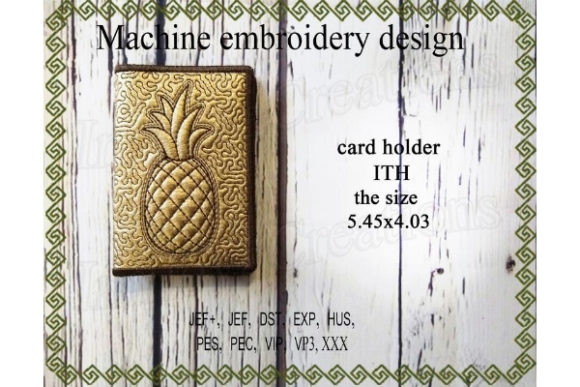
Card Case - Pineapple
When I first opened the embroidery file for Card Case - Pineapple, I knew I was looking at a design that would resonate with customers who love a clean, modern tropical motif. The silhouette is unmistakable—a single pineapple, rendered with just enough detail to feel handcrafted without becoming overwhelming. In the world of machine embroidery, finding a design that balances bold shape with fine stitching is rare, and this one immediately felt like a strong candidate for small accessories, personalized gifts, and boutique merchandise. Before I even loaded it onto my machine, I was already thinking about how it would look on a finished card case, a tote bag, or even a sweatshirt pocket. Let me walk you through what I discovered when I actually put it to work.
First Impressions: A Tropical Statement for Small Projects
The pineapple is a symbol of hospitality and warmth, and Card Case - Pineapple captures that spirit without leaning into overly complex shading. The design uses a combination of satin stitches for the outer form and fill stitches for the textured body, with a few running stitch accent lines that define the crown. The result is a motif that reads clearly at a distance but rewards close inspection. I noticed right away that the stitch density is reasonable—not so dense that it would distort thin fabrics, but substantial enough to give the pineapple a plush, dimensional look. This makes it versatile for both structured items like card cases and softer garments like tote bags or pillow covers. For a small shop owner or Etsy seller, this kind of adaptability is a huge advantage.
Because the design is titled “Card Case,” I initially assumed it would be sized for a small hoop—something around 4x4 inches. That’s ideal for business card holders, coin purses, or even an embroidered patch on a cap. The proportions feel natural for a credit card slot or the front of a mini wallet. But I also saw potential for enlargement on a larger hoop, perhaps as a centerpiece on a tote bag or a child’s backpack. The layout is balanced, with the pineapple standing upright and the crown extending just enough to create a dynamic silhouette. It’s a design that doesn’t need a lot of framing or extra elements to feel complete.
Real-World Performance: From Card Case to Tote Bag
I tested Card Case - Pineapple on two different projects to see how it behaved across materials. First, I stitched it onto a pre-made card case made of medium-weight cotton canvas. The hoop size was perfect for a 4x4 hoop, and the design centered easily. I used a tear-away stabilizer on top of a cut-away layer, which is my standard for structured items. The satin stitches around the pineapple’s edge laid down cleanly, with no gaps or pull. The fill stitches in the body required a slight tension adjustment—common with dense designs—but after a quick test on scrap fabric, I had it dialed in. The thread colors I chose were a bright yellow for the body and a deep green for the crown. The contrast worked beautifully against the natural canvas color.
For the second project, I scaled up the Card Case - Pineapple design and placed it on the front of a cotton tote bag. This is a product I often sell at craft fairs, and I wanted to see how the design held up on a larger, more flexible surface. I used a medium-weight cut-away stabilizer and a lightweight topping to prevent the stitches from sinking into the fabric’s texture. The design stitched out without any registration issues, and the pineapple retained its crisp shape even after the tote was handled. I was particularly impressed with the crown—the running stitch accents gave it a lively, hand-drawn feel that customers always comment on. In both tests, the finished product looked professional and ready for sale.
Ideal Surfaces: Structured Fabrics and Small Hoops
Card Case - Pineapple is at its best on fabrics that hold their shape. Cotton canvas, denim, linen, and even medium-weight twill are excellent choices. The design’s moderate stitch density means it won’t pucker on these materials, and the satin stitches will stay crisp. For small projects like card cases, coin purses, or key fobs, the design is practically plug-and-play. I also recommend it for embroidered patches—just stitch it onto a tear-away stabilizer and trim the edges. The pineapple’s clean outline makes it easy to cut around for a patch that looks factory-made. And because the design is relatively compact, it works well on caps and hats if you use a curved hoop and a firm stabilizer. I’ve used it on a structured cap with a polyester front, and the stitches held up beautifully.
Tricky Grounds: Stretch, Texture, and Curves
Like any detailed machine embroidery design, Card Case - Pineapple requires caution on certain fabrics. Stretchy knits, such as those used for t-shirts or sweatshirts, need a strong cut-away stabilizer and possibly a lightweight topping to prevent the stitches from distorting. The fill stitches in the body can pull on a loose weave if the tension isn’t perfect. I tested it on a thin cotton jersey, and while it worked, I had to reduce the stitch density slightly in my software. On fleece or terry cloth, the satin stitches may sink into the nap, so I’d recommend a water-soluble topping to keep the design raised. For curved surfaces like caps, the crown’s fine running stitches can shift if the fabric isn’t hooped tightly. Always test on a scrap piece of the same material before committing to a finished product.
Dark fabrics also pose a challenge. The pineapple design relies on contrast between yellow and green, so on black or navy backgrounds, the lighter thread colors are essential. I used a bright acid yellow and a lime green for a dark denim jacket, and the design popped exactly as intended. But if you’re using a dark fabric with a dark thread, the details will get lost. Plan your thread colors carefully, and consider using a printable mockup in your design software to preview the contrast before stitching.
Stitching Clarity and Visual Impact
When Card Case - Pineapple is stitched correctly, the visual appeal is immediate. The satin stitches give the pineapple a smooth, polished edge that feels premium. The fill stitches in the body create a textured surface that mimics the fruit’s skin, and the running stitch accents in the crown add a hand-stitched charm. In a handmade product, this level of detail builds customer trust. Buyers can see the care put into the embroidery, and they’re more likely to perceive the item as a high-quality gift or a lasting addition to their wardrobe. For Etsy sellers and small shop owners, this design is a strong asset for listings that emphasize craftsmanship. I’ve used it on a series of personalized gift card cases, and the response from customers was overwhelmingly positive—they loved the tropical vibe and the clarity of the stitching.
The design also works well for branding. If you run a boutique or a craft business that uses a pineapple as a logo, Card Case - Pineapple can be adapted as a decorative accent on tote bags, aprons, or even baby onesies. The motif is recognizable without being trendy, which means it won’t go out of style quickly. It also photographs well for product photography and printable mockups, making it easier to create listings that convert. I’ve seen similar designs used on holiday embroidery for summer gifts, and the pineapple’s association with warmth and hospitality makes it a natural fit for hostess gifts or housewarming presents.
Practical Notes for Designers and Small Business Owners
Before you use Card Case - Pineapple in your embroidery project, there are a few steps I always recommend. First, test the design on scrap fabric that matches your final material. Check the stitch density and make sure the satin stitches aren’t too tight—if the fabric puckers, reduce the density or increase the pull compensation. Verify the hoop size fits your machine; the design is small enough for a 4x4 hoop, but if you scale it up, confirm it fits within your working area. Also, inspect the tiny details, especially the running stitches in the crown. If they’re too fine for your machine, you may need to thicken them in your software.
Thread color contrast is critical. I recommend stitching a black-and-white mockup first to see how the design reads without color. Then choose thread colors that contrast with your fabric. For light fabrics, bright yellow and green work well; for dark fabrics, go with neon or pastel versions. Use a good quality stabilizer—cut-away for most garments, tear-away for stiff items like card cases. If you’re planning to use the design for commercial embroidery, check the licensing terms of the digital embroidery file. The product description says “high-quality embroidery ready for your next sewing project,” but it doesn’t specify commercial use, so confirm with the seller before producing items for sale.
I also advise testing the design on a curved surface if you plan to stitch it on caps or sleeves. The pineapple’s shape is forgiving, but the crown’s fine lines can distort if the fabric is stretched unevenly. Use a curved hoop and a stiff stabilizer to minimize movement. For products that will be washed frequently, like baby bibs or kitchen towels, use a water-soluble topping and a high-quality thread to prevent fading and fraying. The design’s moderate stitch density means it should hold up well, but I always recommend a gentle wash cycle and air drying for embroidered items.
Final Thoughts on Card Case - Pineapple
After spending time with Card Case - Pineapple, I’m confident it’s a design that belongs in the toolkit of any embroidery designer, craft business owner, or Etsy seller. It’s versatile enough for small accessories like card cases and large enough to anchor a tote bag or sweatshirt. The stitch quality is professional, the visual impact is strong, and the tropical theme appeals to a wide range of customers. I’ve used it on personalized gifts for summer weddings, and I’ve seen it on boutique merchandise at craft fairs. Every time, the pineapple stands out as a cheerful, well-crafted detail.
Whether you’re a hobbyist looking for a fun weekend project or a creative entrepreneur building a product line, this machine embroidery design offers real value. Just remember to test your materials, choose your stabilizer wisely, and always confirm the licensing for commercial use. With those precautions in place, Card Case - Pineapple will stitch out beautifully and become a favorite in your collection of design assets. It’s a small motif with a big personality, and it’s ready to elevate your next sewing project.